
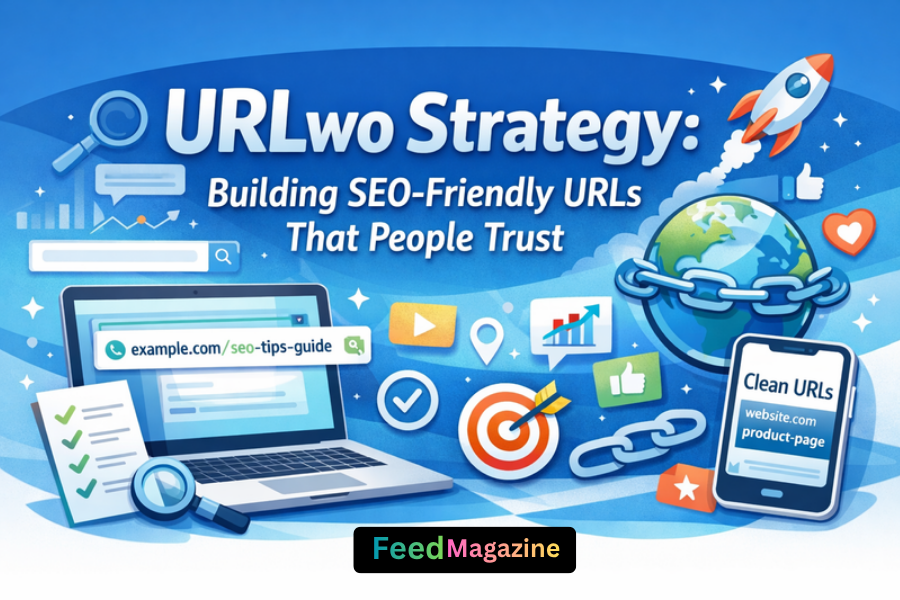
URLwo: A Complete Guide to Link Optimization
Introduction
In today’s digital ecosystem, most discussions around SEO tend to revolve around keywords, backlinks, content quality, and technical performance. While these elements are undeniably important, one fundamental aspect often receives far less attention than it deserves—URL structure.
A well-structured URL is more than just a web address. It acts as a bridge between users and content, helping both humans and search engines understand what a page is about before even visiting it. This is where the concept of URLwo becomes relevant.
URLwo represents a modern approach to URL design that emphasizes clarity, simplicity, readability, and logical organization. Instead of relying on automatically generated strings filled with numbers or parameters, URLwo encourages meaningful, descriptive URLs that reflect the actual content of a page.
For businesses, bloggers, developers, and marketers, adopting URLwo principles can significantly improve usability, trust, and overall website performance. In competitive digital environments, even small improvements in user experience can lead to noticeable differences in engagement, conversions, and visibility.
This guide explores URLwo in depth, covering its meaning, principles, benefits, implementation strategies, and real-world applications.
What Is URLwo?
URLwo can be understood as a philosophy and methodology for structuring URLs in a way that prioritizes user understanding and clarity. It focuses on creating URLs that are:
- Easy to read
- Descriptive of the content
- Logically structured
- Consistent across a website
Rather than treating URLs as technical identifiers, URLwo treats them as communication tools. Each URL should give users a clear idea of what to expect from the page.
For example:
- Traditional URL:
example.com/page?id=47832&ref=abc - URLwo-style URL:
example.com/seo/content-optimization-guide
The second version is significantly more informative. Even without clicking, users can understand the topic of the page, which increases confidence and encourages interaction.
URLwo also aligns URLs with the overall structure of a website. Categories, subcategories, and content pages follow a logical hierarchy, making navigation intuitive for users and easier for search engines to crawl and index.
Why User-Friendly URLs Matter
URLs may seem like minor elements, but they play a major role in shaping user behavior, search performance, and accessibility.
Better User Experience
When users encounter a URL in search results, social media, or emails, they often evaluate it before clicking. A clean, descriptive URL helps users quickly understand the relevance of the page.
A URL that clearly communicates its purpose builds trust. Users are more likely to click on links that appear organized and relevant rather than those filled with random characters or unclear parameters.
Additionally, structured URLs help users understand where they are within a website. This improves navigation and reduces confusion.
Improved Shareability
In a world where content is constantly shared across platforms like social media, messaging apps, and emails, URLs need to be easy to distribute.
Short, readable URLs:
- Are easier to copy and paste
- Look more professional
- Are less likely to be perceived as spam
- Encourage more sharing
Long, complex URLs often appear untrustworthy and may discourage users from sharing them with others.
SEO Support Through Behavior Signals
Search engines increasingly rely on user behavior signals to evaluate content quality. Metrics such as click-through rates, time on page, and bounce rates all contribute to how a page performs in search rankings.
Readable URLs indirectly support SEO by improving click-through rates. When users understand what a page is about from the URL itself, they are more likely to click and engage with the content.
While URL structure alone is not a ranking factor, it contributes to the overall ecosystem of signals that search engines analyze.
Accessibility Benefits
Accessibility is an essential component of modern web development. Many users rely on assistive technologies such as screen readers to browse the internet.
Clear URLs improve accessibility because:
- Screen readers can pronounce meaningful words more effectively
- Users can understand the context of a link without visual cues
- Navigation becomes easier for individuals with disabilities
Readable URLs contribute to a more inclusive web experience.
Core Principles Behind URLwo
URLwo is built on several foundational principles that guide how URLs should be structured and maintained.
Clarity and Readability
Every URL should clearly describe the content of the page. Users should not need to guess what a page contains.
A clear URL builds confidence and reduces hesitation when clicking links.
Simple and Logical Structure
URLs should follow a logical hierarchy that reflects the organization of the website.
For example:
example.com/blog/seo-tips
This structure indicates:
- The page belongs to the blog section
- The topic is SEO tips
Such logical structuring improves both navigation and search engine understanding.
Consistent Formatting
Consistency is critical for maintaining a professional and scalable website structure.
Best practices include:
- Using lowercase letters
- Separating words with hyphens
- Avoiding unnecessary parameters
- Maintaining uniform patterns across pages
Consistency reduces confusion and ensures URLs remain predictable.
Easy Sharing and Recall
URLs should be easy to remember and communicate verbally or digitally.
Short, descriptive URLs are more likely to be reused, bookmarked, and shared. This contributes to increased traffic and long-term engagement.
How URLwo Differs from Traditional SEO Thinking
Traditional SEO often focused heavily on keyword placement within URLs. While keywords still play a role, modern search engines prioritize user experience and context.
URLwo shifts the focus from keyword stuffing to meaningful communication.
Instead of forcing multiple keywords into a URL, URLwo emphasizes:
- Natural language
- Contextual relevance
- Clean structure
Another major difference lies in user behavior signals. Search engines now analyze how users interact with pages after clicking links. A well-structured URL improves first impressions, which can positively influence engagement metrics.
Benefits of Applying URLwo Principles
Implementing URLwo principles can provide several advantages:
Improved Credibility
Clean, structured URLs make websites appear more professional and trustworthy.
Better Indexing
Search engines can crawl and understand structured URLs more efficiently, leading to improved indexing.
Enhanced User Engagement
Users are more likely to click and stay on pages with clear, relevant URLs.
Simplified Content Management
Organized URL structures make it easier to manage large websites with multiple categories and pages.
Comparison Table
| Feature | Traditional URLs | URLwo Style |
|---|---|---|
| Structure | Complex and unclear | Logical and organized |
| Readability | Difficult to interpret | Easy to understand |
| Shareability | Hard to share | Simple and clean |
| SEO Impact | Limited clarity | Supports engagement |
Common URL Mistakes to Avoid
Many websites unintentionally create poor URL structures. Some common mistakes include:
- Using automatically generated URLs with random characters
- Including unnecessary parameters and session IDs
- Mixing uppercase and lowercase inconsistently
- Creating overly long URLs
- Ignoring URL structure during content planning
- Failing to update or remove broken links
Avoiding these issues helps maintain a clean and efficient website architecture.
How to Implement URLwo on Your Website
Improving URL structure does not require rebuilding an entire website. It can be done step by step.
Step 1: Audit Existing URLs
Review current URLs and identify those that are unclear, overly long, or poorly structured.
Step 2: Define a Logical Content Structure
Organize your website into categories and subcategories. This ensures consistency and scalability.
Step 3: Rewrite URLs Using Descriptive Words
Replace vague or technical URLs with meaningful, descriptive ones that reflect the content.
Step 4: Apply Redirects Carefully
When changing URLs, implement proper redirects to preserve traffic and avoid broken links. This ensures continuity for both users and search engines.
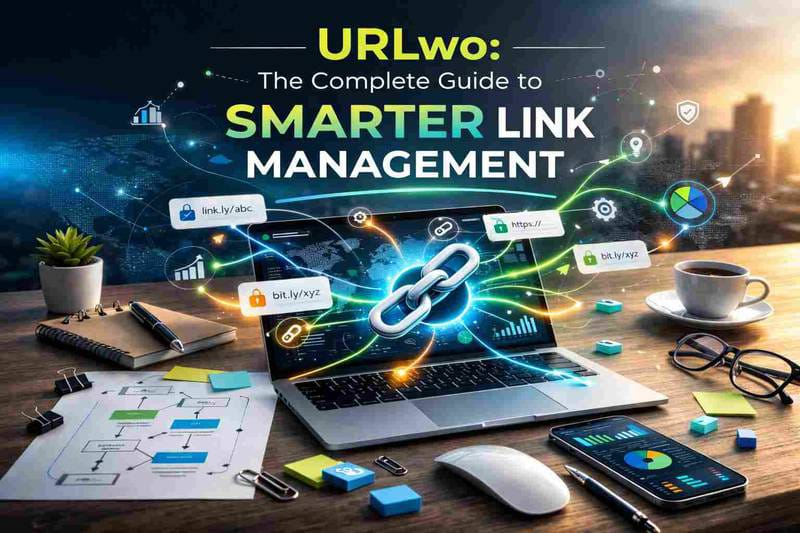
Real-World Use Cases
Many successful websites already follow principles similar to URLwo:
- E-commerce platforms organize products into structured categories
- News websites use categorized URLs for articles
- Blogs structure posts under clear topic-based paths
- Educational platforms group lessons into modules and sections
These structures make navigation intuitive and scalable.
For content creators, clean URLs make sharing easier across social platforms. For businesses, they enhance branding and professionalism.
Explore Further: Gldyql Guide
Final Thoughts
URLwo is more than a technical approach—it is a mindset focused on clarity, usability, and long-term scalability. By designing URLs that are easy to read and logically structured, websites can improve both user experience and search performance.
As digital environments continue to evolve, user expectations are becoming more refined. People prefer websites that are simple, intuitive, and trustworthy. URLwo aligns perfectly with these expectations by ensuring that every link communicates value before a user even clicks it.
Adopting URLwo principles helps create a stronger foundation for any website. It improves navigation, supports SEO, enhances accessibility, and contributes to a more professional online presence. In a competitive digital landscape, these advantages can make a meaningful difference over time.
“Feed Magazine” — Bringing You Something New Every Time