
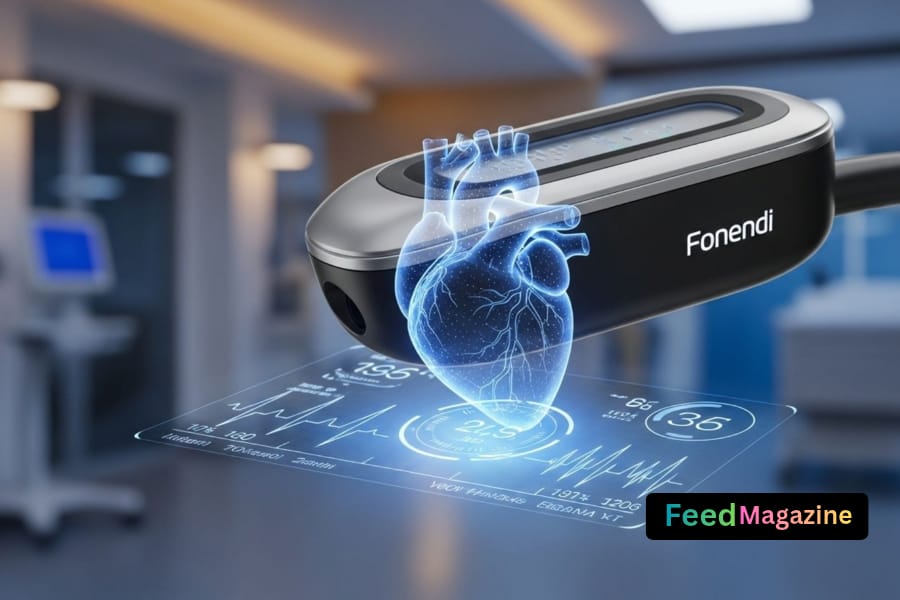
Fonendi: A Complete Guide to Its Role, Evolution, and Impact in Modern Healthcare and Technology
Introduction
In today’s rapidly evolving healthcare and technology landscape, certain tools and concepts continue to stand the test of time while adapting to modern needs. One such term gaining increasing attention is Fonendi. While traditionally associated with medical auscultation devices similar to stethoscopes, Fonendi has evolved into a broader concept encompassing advanced diagnostic tools, human-centered design principles, and digital innovation.
The growing popularity of Fonendi reflects a larger shift in how healthcare professionals, businesses, and individuals approach efficiency, usability, and precision. Whether it is used in hospitals for diagnosing patients, in educational institutions for training future doctors, or even as a conceptual framework for innovation, Fonendi represents a blend of tradition and modern advancement.
This comprehensive guide explores what Fonendi is, how it works, its history, benefits, applications, and why it is becoming increasingly relevant in both healthcare and digital environments.
What Is Fonendi?
At its core, Fonendi refers to a medical listening device used for auscultation, the process of listening to internal body sounds such as heartbeats, lung activity, and digestive movements.
In many regions, particularly across Europe and Latin America, the term “Fonendi” (or “fonendo”) is commonly used as a shortened version of phonendoscope, which is closely related to the traditional stethoscope.
Meaning and Origin
The term originates from Greek roots:
- “Phon” meaning sound
- “Endo” meaning inside
Together, Fonendi essentially describes a device designed to listen to internal bodily sounds.
However, in modern usage, Fonendi has expanded beyond its traditional meaning. It may now also refer to:
- Digital stethoscope technologies
- Smart diagnostic devices
- Brandable healthcare or tech concepts
This evolving identity has contributed to its growing recognition online.
The History and Evolution of Fonendi
To understand the significance of Fonendi, it is important to explore the evolution of auscultation tools.
Early Beginnings
The journey began in 1816, when French physician René Laennec invented the first stethoscope. His design was simple—a wooden tube used to listen to heart sounds without direct contact.
Key Developments Over Time
- Monaural Stethoscopes: Early single-ear devices
- Binaural Stethoscopes: Improved sound clarity with dual earpieces
- Phonendoscopes: Enhanced acoustic amplification
- Modern Stethoscopes: Lightweight, ergonomic, and precise
- Digital Fonendi Devices: Integrated with software, recording, and AI
Over time, the term Fonendi emerged as a simplified and regionally adopted name for these evolving devices.

Why Fonendi Remains Essential in Modern Medicine
Despite major advancements in imaging technologies like CT scans and MRIs, Fonendi continues to be a fundamental diagnostic tool.
Key Reasons for Its Importance
1. Immediate Clinical Insights
Fonendi allows healthcare professionals to detect abnormalities in real time, without waiting for lab results.
2. Non-Invasive Examination
It enables doctors to assess patients without causing discomfort or requiring complex procedures.
3. Portability and Accessibility
Unlike large diagnostic machines, Fonendi devices are portable and can be used anywhere—from hospitals to remote clinics.
4. Cost-Effectiveness
It remains one of the most affordable diagnostic tools, making it accessible in low-resource healthcare environments.
How Fonendi Works
The functionality of a Fonendi device is based on sound transmission and amplification.
Core Components
- Chest Piece: Captures vibrations from the body
- Tubing: Transfers sound waves
- Earpieces: Deliver sound to the user
When placed on the body, the chest piece detects vibrations generated by internal organs. These vibrations travel through the tubing and are delivered clearly to the healthcare provider’s ears.
Acoustic Principle
Fonendi operates on the principle of acoustic amplification, allowing even faint internal sounds to be heard and analyzed.
Types of Fonendi Devices
Modern Fonendi devices come in several variations, each designed to meet specific needs.
1. Acoustic Fonendi
- Traditional and widely used
- No electronics required
- Reliable and durable
2. Electronic Fonendi
- Uses microphones and amplifiers
- Enhances faint sound detection
- Ideal for complex diagnoses
3. Digital Fonendi
- Records and stores audio data
- Connects with smartphones and apps
- Enables advanced analysis and sharing
Technological Advancements in Fonendi
With the rise of digital healthcare, Fonendi devices have evolved significantly.
Modern Features Include:
- Noise reduction technology
- Bluetooth connectivity
- Audio recording and playback
- Integration with mobile health applications
- AI-assisted sound analysis
These innovations allow healthcare professionals to analyze, store, and share patient data more effectively.

Clinical Applications of Fonendi
Fonendi plays a vital role in diagnosing a wide range of medical conditions.
1. Heart Conditions
Doctors use Fonendi to detect:
- Irregular heart rhythms
- Heart murmurs
- Valve abnormalities
2. Lung Disorders
It helps identify:
- Wheezing (asthma)
- Crackles (pneumonia)
- Reduced airflow (respiratory issues)
3. Digestive System Issues
By listening to intestinal sounds, doctors can detect:
- Blockages
- Reduced or abnormal bowel activity
Fonendi in Medical Education
For medical students, learning to use a Fonendi is a core clinical skill.
Training Benefits
- Helps distinguish normal vs. abnormal sounds
- Builds diagnostic confidence
- Enhances patient examination skills
Even in the era of advanced imaging, auscultation remains a first-line diagnostic technique.
The Role of Fonendi in Patient Care
Early Disease Detection
Fonendi enables early identification of conditions, improving treatment outcomes.
Improved Decision-Making
Quick access to internal body sounds helps clinicians make faster and more accurate decisions.
Enhanced Patient Trust
Using reliable tools reassures patients and strengthens confidence in healthcare providers.
Fonendi as a Human-Centered Innovation Concept
Beyond medicine, Fonendi has evolved into a broader philosophy of innovation.
Core Principles
- Focus on user comfort
- Simplicity and usability
- Emotional and functional balance
- Sustainable design
Applications
- Workspace design
- Digital product development
- Urban planning
This perspective emphasizes that technology should serve people, not overwhelm them.
Fonendi in Digital Communication and Technology
Fonendi is also emerging as a conceptual or brandable name in digital ecosystems.
Potential Applications
- Communication platforms
- Health tech startups
- AI-powered tools
Its uniqueness and memorability make it ideal for modern branding and innovation projects.
Why Fonendi Is Trending Online
Several factors contribute to its growing popularity:
1. Rise of Digital Health
Increased interest in telemedicine and smart diagnostics.
2. Educational Awareness
More online content explaining medical tools.
3. Unique Keyword Appeal
“Fonendi” is distinctive, making it SEO-friendly.
4. Expanding Meaning
Its use beyond medicine adds curiosity and relevance.
Challenges and Considerations
Medical Challenges
- Cost of advanced digital models
- Need for proper training
- Maintenance requirements
Technological Challenges
- Data security concerns
- Integration with existing systems
- Risk of digital fatigue
The Future of Fonendi
The future of Fonendi lies in innovation and integration.
Expected Developments
- AI-powered diagnostics
- Remote patient monitoring
- Telemedicine integration
- Cloud-based health data systems
These advancements will make healthcare more accessible, efficient, and precise.
Dive In: Rosboxar in Business, Healthcare, and Tech

Conclusion
Fonendi represents more than just a medical device—it is a symbol of evolving healthcare and human-centered innovation.
From its origins as a simple auscultation tool to its transformation into a digital and conceptual framework, Fonendi continues to play a vital role in modern society. It enhances diagnostic accuracy, supports medical education, improves patient care, and inspires innovation across industries.
As technology continues to advance, Fonendi is expected to remain at the forefront—bridging the gap between traditional medical practices and future-ready solutions.
By embracing Fonendi, healthcare professionals, businesses, and innovators can move toward a future that is not only technologically advanced but also efficient, empathetic, and human-focused.
Explore “Feed Magazine” — Where Every Visit Brings Something New