Inter Miami vs Tigres UANL Timeline: Star Players and Game-Changing Moments
Inter Miami vs Tigres UANL Timeline: The Inter Miami vs Tigres UANL match had fans on the edge of their seats from start to finish. It wasn’t just about the final score—it was about how every moment shaped the game. From early possession battles to late penalties, the timeline of events tells the full story of tension, strategy, and skill.
Inter Miami started strong, keeping control of the ball and carefully moving it around the field. Tigres stayed tight in defense, waiting for the perfect chance to strike back. Early on, it felt like a chess match: each pass, run, and tackle mattered. Nothing was rushed, and both teams were setting up for the drama to come.
As the match progressed, momentum swung back and forth. Tigres’ pressing, Miami’s tactical adjustments, and key substitutions changed the pace constantly. Fans could feel the tension rise with every attack and defensive stand. The late equalizer, followed by a decisive penalty, made the final minutes unforgettable.
This match also showcased star players like Lionel Messi and Luis Suárez, whose skill and timing turned opportunities into goals. But it wasn’t just individual brilliance—teamwork, strategy, and mental toughness played huge roles too. In this article, we’ll walk through the full timeline, highlight key moments, and show why this game has everyone talking.
Quick Recap of the Match
The match between Inter Miami and Tigres UANL started with calm intensity. Both teams were cautious but fully alert, each testing the other’s strategy. Inter Miami focused on controlling possession, moving the ball carefully from defense to attack. They aimed to probe Tigres’ defense and look for weak spots without rushing. Every pass and movement mattered, making the first 20 minutes feel like a chess game on grass. Tigres, on the other hand, stayed compact and disciplined. Their defenders kept tight lines, forcing Miami to play around them while waiting for the perfect moment to counter. The early stages were not about flashy moves or quick goals, but about building a foundation for later drama. Fans could already sense the tension growing with every touch of the ball.
By halftime, both teams had shown their game plans. Miami’s structured buildup slowly created chances, while Tigres’ defense forced them to be precise and patient. The match was balanced, and neither side had broken through yet. It was clear that the stage was set for big moments in the second half.
Early Game: How Miami Controlled Possession
From the opening whistle, Inter Miami’s midfield dominated the flow of the game. Players moved the ball carefully, using short passes and constant support to keep possession. Imagine passing a ball around a circle until you find the right gap to sprint through—that’s how Miami worked. Every movement was calculated, with teammates anticipating each other’s runs to maintain rhythm and avoid mistakes. This patient approach wore down Tigres’ defense slowly, forcing defenders to stay alert and constantly adjust. Even small touches mattered because they kept Miami in control and built confidence across the field.
By keeping possession, Miami could control the pace of the game. They didn’t rush attacks or force opportunities, which helped them stay calm under pressure. Each successful pass or clever movement set up future scoring chances, even if nothing seemed to happen immediately. This methodical buildup showed how discipline and patience could create an advantage against a strong defensive team.
Tigres’ Defensive Setup and Counterattacks
Tigres approached the first half with a disciplined defensive plan. Their players stayed compact, forming tight lines that blocked the most dangerous areas. Every player knew their role: contain Miami’s attacks, anticipate passes, and wait for mistakes to strike. This approach is like setting a trap in a game—you stay patient and only act when the right opportunity appears. Their defense slowed Miami’s attacks, forcing the team to be precise with every movement. Even when Miami moved the ball well, Tigres’ positioning minimized clear scoring chances.
While defending, Tigres also looked for counterattack opportunities. Quick transitions from defense to offense tested Miami’s backline and kept the game tense. Their setup demanded constant awareness and energy, showing that strong defensive organization can control a match even without scoring. Fans could feel the first half building tension, knowing that a single mistake or breakthrough could change the game.
Mid-Game Shifts That Changed Momentum
As the match reached its middle stages, the energy on the field shifted noticeably. Tigres began pressing higher up, putting Miami’s defense under intense pressure. Every pass had to be precise, and defenders worked extra hard to maintain shape. At the same time, Miami made key substitutions that added fresh legs and creativity, changing the way their attacks developed. The back-and-forth swings in momentum kept fans on edge. One moment, Miami’s possession and calm passing seemed in control. The next, Tigres moved forward with speed, forcing Miami to react quickly. These shifts weren’t random; they were the result of tactical choices, stamina levels, and player awareness. Even small adjustments, like moving a midfielder slightly forward or changing pressing intensity, had a visible effect on the flow of the game. By mid-game, it became clear that the team able to adapt fastest would hold the advantage, showing how strategy and timing can be just as critical as raw skill.
Key Plays and Tactical Changes
Tactical changes during the middle period had a huge impact on the match. Tigres’ aggressive pressing challenged Miami’s ability to stay composed under pressure. Every misplaced pass or slowed reaction could lead to a dangerous counterattack. Miami responded by adjusting their formations, spreading out the midfield and creating new passing lanes to break Tigres’ lines. A well-timed run or a clever one-two pass often opened spaces that seemed closed moments earlier. These tactical shifts were subtle but crucial—they showed how small decisions can have a big influence. Fans might see a sudden attack and think it’s spontaneous, but behind the scenes, it’s about planning, positioning, and awareness. Even a minor adjustment in spacing or movement can turn the tide of a play. By watching these moments closely, you can see that strategy often drives the game more than individual flashes of skill.
Substitutions That Altered the Flow

Substitutions during the mid-game stage changed the pace of play significantly. Miami brought in players who added speed and unpredictability to their attacks, forcing Tigres’ defenders to adjust constantly. These fresh legs allowed Miami to exploit gaps that had previously been closed, creating scoring chances out of tight situations. Each substitution acted like a mini-reset of the team’s energy, keeping the momentum balanced. On the defensive side, Tigres also made adjustments, replacing tired players with those capable of maintaining intensity and pressing effectively. The timing of these changes mattered as much as the players themselves—bringing someone on too early or too late can disrupt rhythm instead of improving it. These mid-game switches illustrate the importance of stamina, planning, and timing. Even if a player doesn’t score immediately, their movement and energy can shift the dynamic of the entire game.
Late Game Drama
The final stages of the match were full of tension, drama, and high stakes. Tigres equalized around the 67th minute, leveling the score and swinging momentum in their favor. For Miami, this was a test of focus and composure. Fans could feel the intensity rise with every pass, tackle, and movement on the field. The game suddenly felt unpredictable, with both teams pressing hard and looking for that one decisive moment. Miami, however, stayed calm, keeping possession and carefully planning attacks rather than panicking. Tigres, energized by the equalizer, pushed aggressively, creating several dangerous opportunities near Miami’s goal. Each team’s reaction to the pressure showed the importance of mental toughness in football. The tension continued to build as the clock ticked closer to the final minutes. Then, a pivotal moment arrived: a handball in Tigres’ penalty area triggered a VAR review. The stadium held its breath while the officials confirmed a penalty for Miami, setting the stage for a dramatic conclusion.
Equalizer and Momentum Swing
Tigres’ equalizer not only changed the score but also shifted the energy on the field. Suddenly, Miami had to respond quickly, reorganize their formation, and push forward under pressure. Tigres, buoyed by the goal, attacked with confidence and urgency. The atmosphere on the pitch and in the stands became electric, with every touch carrying weight. This moment highlighted how a single goal can alter a team’s mindset and influence the next series of plays. Teams that adapt quickly—adjusting positions, passing patterns, and defensive coverage—handle these swings best. Miami demonstrated this by remaining structured and calm, even while Tigres pressed aggressively. Players focused on precision passing and spacing rather than rushing attacks, which prevented the equalizer from spiraling into a larger deficit. It was a lesson in how psychological resilience on the field can directly impact performance. Momentum swings like this show that football isn’t just about skill; it’s also about focus, patience, and mental readiness.
The Decisive Penalty and Winning Goal
The late penalty became the defining moment of the match. Luis Suárez stepped up and calmly converted the spot-kick, giving Miami a 2–1 lead. This goal was the culmination of Miami’s patient approach all game. They had built pressure, maintained possession, and waited for the right moment to strike. Suárez’s calm execution under immense pressure demonstrated not just skill but mental strength. For Tigres, the moment was a tough blow—they had little time to respond and regroup. This decisive penalty showed how preparation meets opportunity. Teams that stay organized, anticipate moments, and remain composed often find success in critical situations. Fans watching live could sense the tension, knowing that one small action would decide the outcome. For analysts, it was a textbook example of how patience, strategy, and focus combine to produce winning results. Even after the goal, Miami maintained control, seeing the final minutes through without panic and securing a hard-fought victory.
Star Players Who Shaped the Game
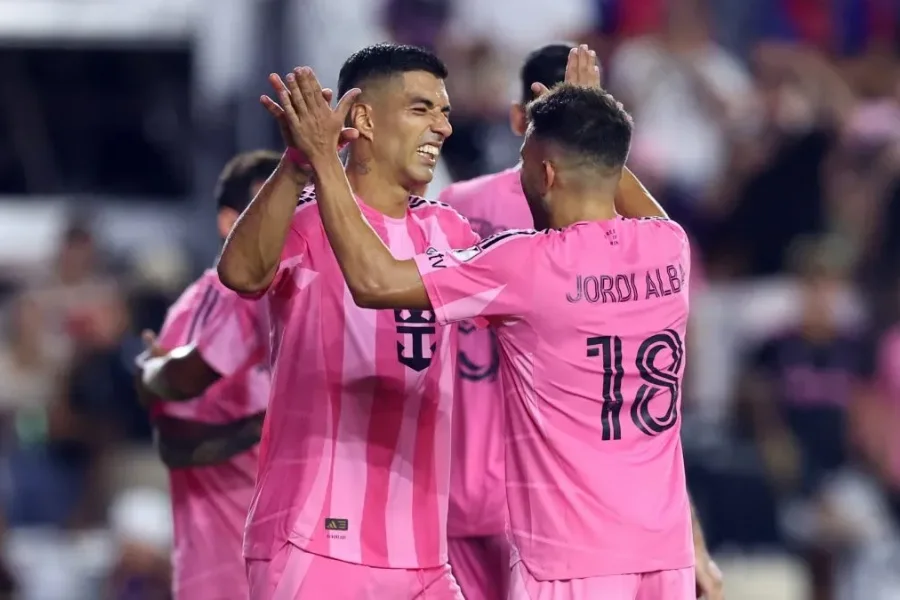
Star players made a huge difference in the Inter Miami vs Tigres UANL match, but their impact went beyond individual brilliance. Lionel Messi’s movement constantly drew defenders away, creating space for teammates to attack. Luis Suárez was clinical in front of goal, scoring twice, including the late penalty that decided the match. Meanwhile, Miami’s midfielders linked defense and attack seamlessly, controlling the tempo and distributing the ball at the right moments. On the defensive side, both teams showed remarkable discipline. Tigres’ backline stayed compact, cutting off dangerous runs, while Miami’s defenders intercepted key passes and maintained organization under pressure. This match highlighted a simple truth: star players can change the game, but teamwork amplifies their impact. Even the best attackers need support to turn chances into goals. The combination of strategy, skill, and coordination created a balanced, competitive match that kept fans on edge until the very end. Without teamwork, Messi and Suárez’s talent might have been less effective, and the game could have been far more unpredictable.
Offensive Impact: Messi, Suárez, and Key Attacks
Miami’s attack was a masterclass in timing, skill, and understanding. Messi’s presence constantly disrupted Tigres’ defense, as defenders followed him closely, leaving gaps elsewhere. Suárez capitalized on those openings, finishing with precision when chances arose. Their coordination felt effortless, almost like two people working on a project who instinctively know what the other will do next. The midfield played a critical supporting role, feeding passes and controlling rhythm, allowing the forwards to make decisive runs. Every attack involved movement off the ball, clever positioning, and anticipation of each other’s actions. This was not just talent—it was preparation, intelligence, and communication in action. Even small movements mattered, as a single run could open a corridor for a shot or a key pass. Watching the combination of Messi and Suárez showed how individual skill, when paired with teamwork, becomes far more powerful than isolated effort.
Defensive Efforts That Kept the Score Tight
Defense was just as critical as offense in this match. Miami’s backline stayed organized, intercepting passes and blocking Tigres’ attacking runs with precision. Tigres, meanwhile, relied on compact defensive lines to limit space and force Miami to work harder for chances. Both teams had defenders constantly communicating, adjusting positions, and anticipating threats. Even when attackers created openings, disciplined defenders minimized danger and delayed scoring opportunities. This defensive discipline contributed to a tense, edge-of-your-seat atmosphere, as every attack had to be calculated carefully. Fans could see how a strong defense not only prevents goals but also shapes the flow of the game, forcing opponents to adapt their strategies. In high-stakes matches like this, defense often determines the outcome just as much as offensive skill. The combination of individual defensive talent and teamwork ensured that Miami and Tigres remained in control until the very last minutes.
Minute-by-Minute Timeline Highlights
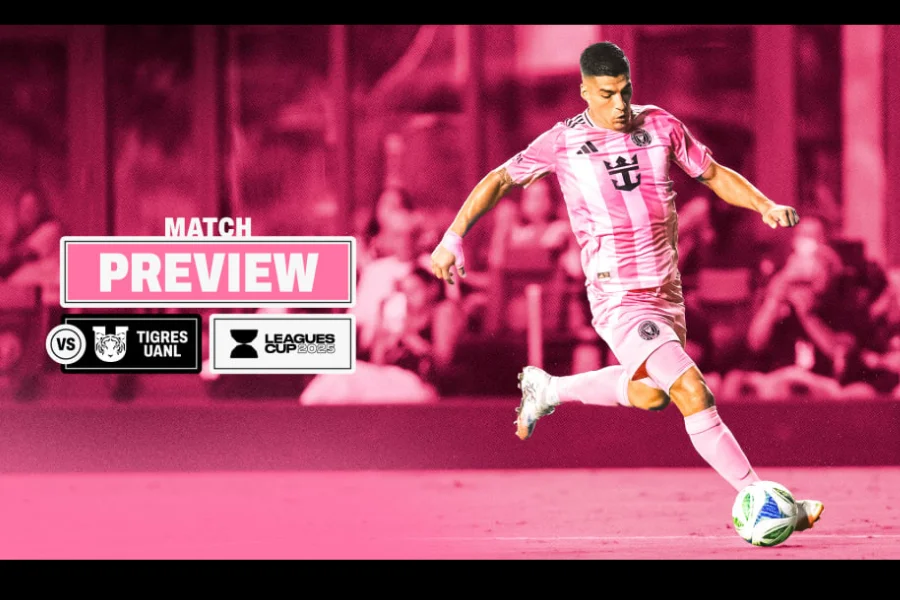
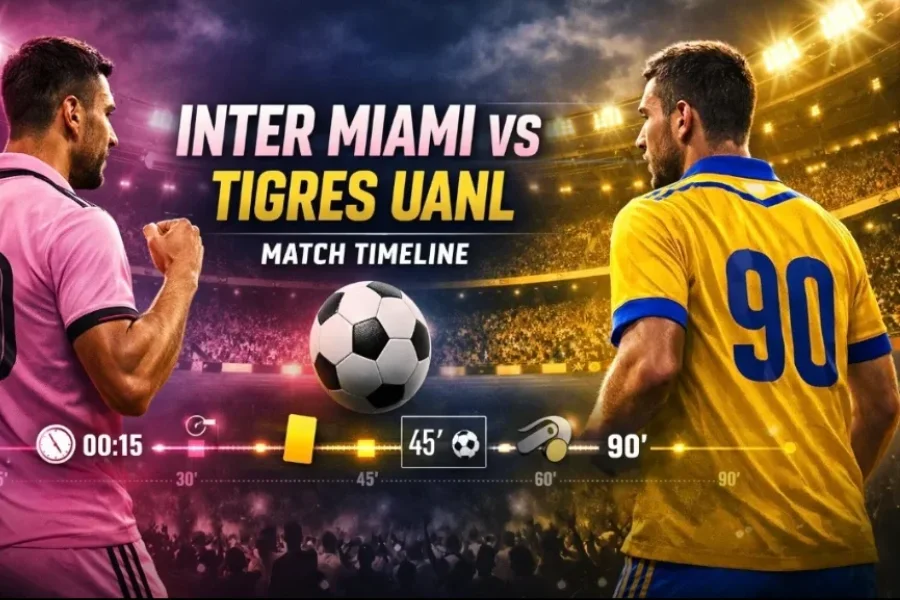
Tracking the key moments of the match helps you see how every action influenced the outcome. Even a single pass, substitution, or goal can shift momentum and change the way teams approach the game. In the Inter Miami vs Tigres UANL match, the timeline shows a mix of skill, strategy, and tension that kept fans engaged from start to finish.
At the 23rd minute, Luis Suárez scored a penalty, giving Miami an early lead and setting the team’s confidence high. This goal was more than just points on the board—it influenced how both teams approached the next minutes. Miami could maintain possession calmly, while Tigres had to push forward and search for a way back into the game. Early goals like this often dictate momentum, making players more decisive and fans more anxious for what comes next.
By halftime, both teams used the break to reset their strategy. Coaches adjusted formations, told players to exploit weak points, and planned counter-moves for the second half. These halftime adjustments gave each team a chance to rethink their approach and respond to the opening 45 minutes. For viewers, it marked a calm pause before the drama resumed.
The 67th minute brought Tigres’ equalizer, swinging momentum in their favor. Suddenly, the match felt unpredictable, and both teams had to react quickly. This goal energized Tigres and tested Miami’s composure under pressure. Just a few minutes later, around the 70th minute, key substitutions on both sides changed the attacking flow. Fresh legs and new ideas gave Miami more speed, while Tigres maintained intensity.
Finally, in the 89th minute, Luis Suárez converted a late penalty, sealing the 2–1 win for Miami. This moment was the result of patient buildup, careful positioning, and mental focus throughout the match. Every goal, substitution, and defensive move in this timeline shows how small events accumulate to decide a game.
Why This Match Timeline Is Trending
The Inter Miami vs Tigres UANL match has captured global attention, and it’s easy to see why. This game isn’t trending just because of the final score—it’s a mix of star power, rising league rivalries, and unpredictable tactical moments that kept fans glued to screens. Lionel Messi and Luis Suárez alone drew audiences from around the world, as even casual viewers tuned in to see what the stars would do next. Beyond individual talent, the match showcased a growing rivalry between Major League Soccer (MLS) and Liga MX. Cross-league clashes like this now carry extra weight, offering fans more than just points—they’re about pride, style, and proving which league is stronger. Finally, tactical surprises added another layer of drama. Subtle shifts in formation, pressing intensity, and defensive alignment created swings in momentum that nobody could fully predict. Each change forced players and fans to adapt quickly, making every minute feel crucial. The combination of these elements explains why this timeline is circulating widely on social media and sports forums, and why the match feels unforgettable for anyone who watched it.
Star Power Effect
Lionel Messi and Luis Suárez brought a level of excitement that goes beyond typical match play. Every touch of the ball from these players felt important—Messi’s movement opened spaces, while Suárez’s finishing turned chances into goals. Their presence makes even routine plays more dramatic because defenders adjust constantly to keep up. This star power attracts viewers who might not usually follow MLS, as global fans tune in to watch how legends perform. Social media amplifies this effect, with clips of key moments, goals, and dribbles spreading instantly across platforms. Memes, highlight reels, and commentary threads make the game feel alive long after the final whistle. For casual and hardcore fans alike, Messi and Suárez turn ordinary matches into talking points, elevating the sport’s visibility. Beyond entertainment, their influence shapes how teammates play, as others respond to their movement and positioning. In short, star players don’t just score goals—they change the way the entire game is played and experienced.
MLS vs Liga MX Rivalry
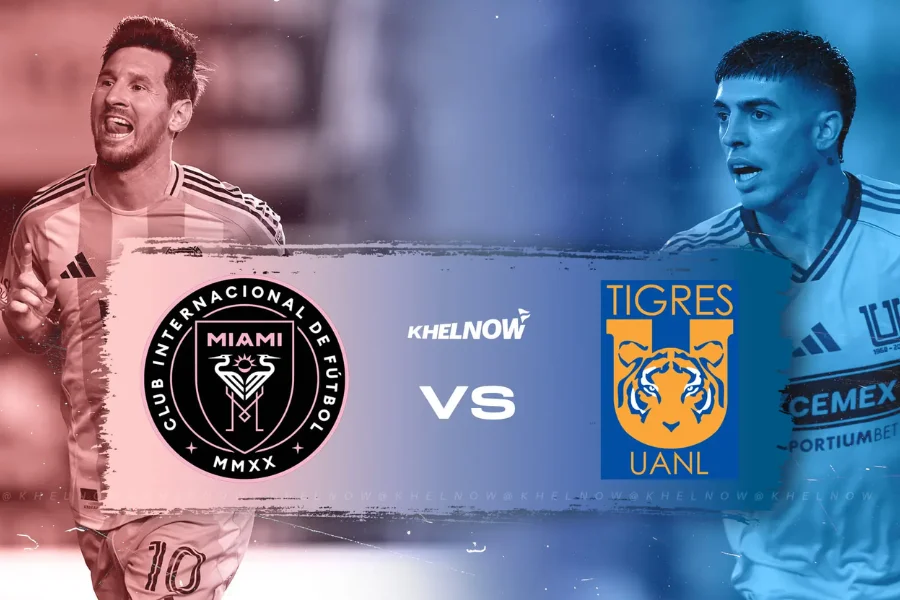
The growing rivalry between MLS and Liga MX adds another layer of drama to the match. Cross-league games now carry significance that goes beyond a single win or loss. Fans watch not only to see which team performs better, but also to gauge which league is stronger overall. This rivalry elevates the stakes, making goals, tackles, and tactical moves feel more consequential. Players are more focused, coaches more strategic, and every substitution or pressing change can shift momentum dramatically. The international attention gives clubs a chance to showcase talent on a larger stage, which increases media coverage and fan engagement worldwide. Even casual observers notice the tension when MLS and Liga MX teams meet, because the match feels like a statement game—proof of skill, strategy, and mental toughness. The intensity of these encounters often sparks heated debates online, with fans comparing leagues, players, and coaching styles. It’s more than just football; it’s pride, competition, and global attention all rolled into one.
Tactical Surprises That Kept Fans Guessing
One of the most captivating aspects of this match was the tactical unpredictability. Both teams made subtle formation adjustments and pressing changes that kept opponents—and fans—on their toes. Miami’s midfield shifted spacing, opening channels for quick attacks, while Tigres varied pressing intensity to force mistakes. Even experienced viewers could not always predict the next move, making the game feel dynamic and thrilling. These tactical surprises created momentum swings, with control shifting multiple times between teams. It also highlighted the importance of quick decision-making and adaptability under pressure. Players had to read the game constantly, adjusting positioning and timing to exploit openings or counter threats. For analysts and coaches, these moments are fascinating to study, as small tweaks often have large impacts on results. For fans, it makes watching every minute feel important, because anything can happen. Ultimately, these creative strategies showed that football is not just about raw skill, but also about brains, planning, and flexibility.
Final Words
The Inter Miami vs Tigres UANL match was a rollercoaster from start to finish. Miami started strong, controlling possession with patient passing, while Tigres stayed compact, waiting for counterattack opportunities. Early on, it felt like a chess match—every pass, run, and tackle mattered.
Midway, momentum swung as Tigres pressed harder and Miami made key substitutions, adding speed and creativity. The back-and-forth kept fans on edge, showing how tactical adjustments can shift a game instantly. Tigres equalized in the 67th minute, raising the tension, but Miami stayed composed. A late handball led to a penalty, and Luis Suárez calmly scored the winner.
Star players like Messi and Suárez shined, but teamwork, strategy, and mental toughness defined the result. Every move, from defense to attack, contributed to the drama. This match isn’t just trending for goals—it highlights how skill, planning, and adaptability make football thrilling, and why North American football is growing into a global spectacle.
Stay with Feed Magazine for more stories, stats, and moments that keep the world of sports alive.